


Click‑clack! GPC Makes Building Houses as Easy as Assembling Lego Bricks
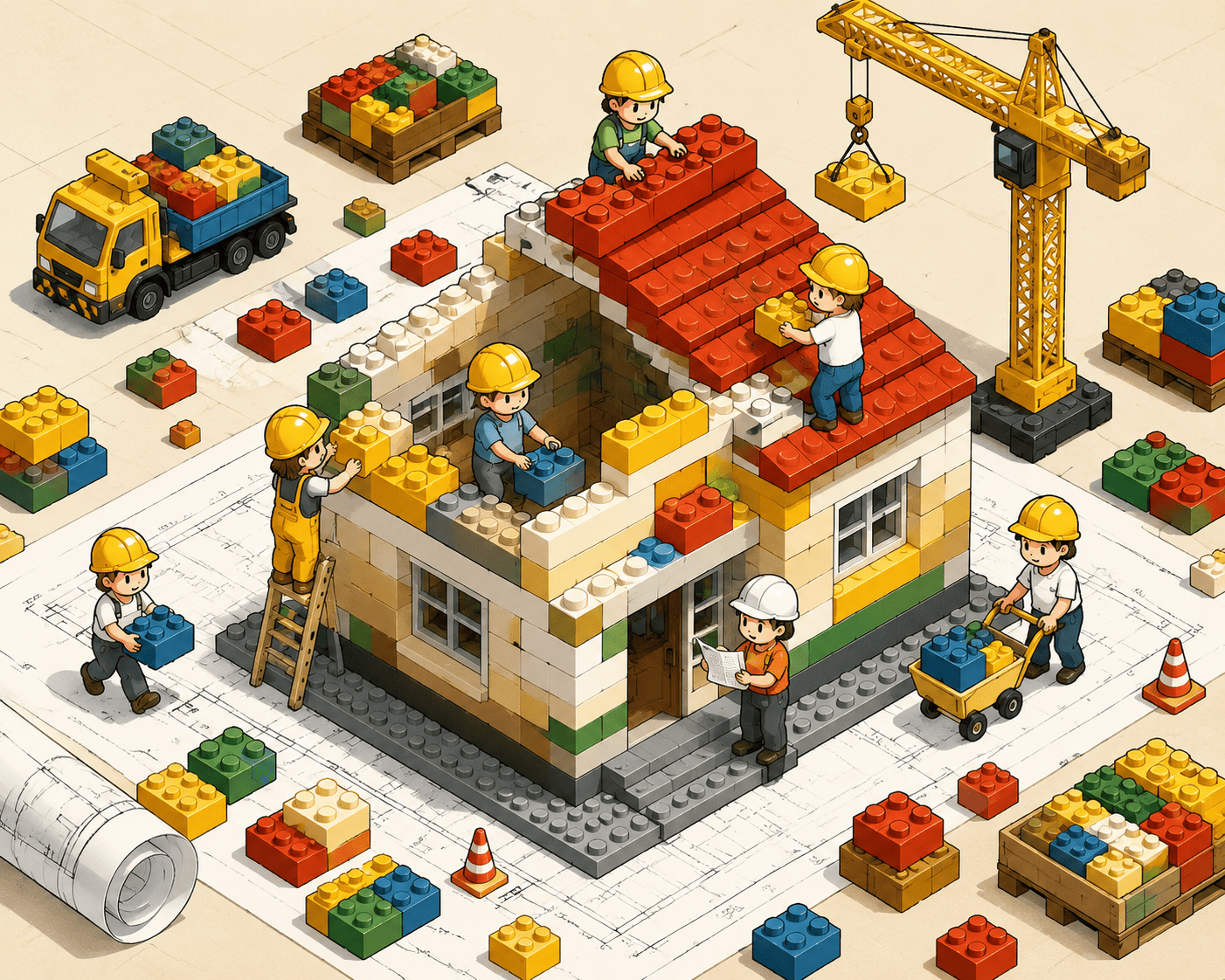
Leveraging its strengths in comprehensive phosphogypsum resource utilization, Guizhou Phosphate Chemical Group (GPC) has launched high‑precision interlocking phosphogypsum modules. Featuring factory prefabrication and dry‑mode prefabricated construction, the product addresses key industry bottlenecks and delivers eco‑friendly, high‑efficiency wall solutions for diverse scenarios including urban renewal, affordable‑housing development and industrial park construction.
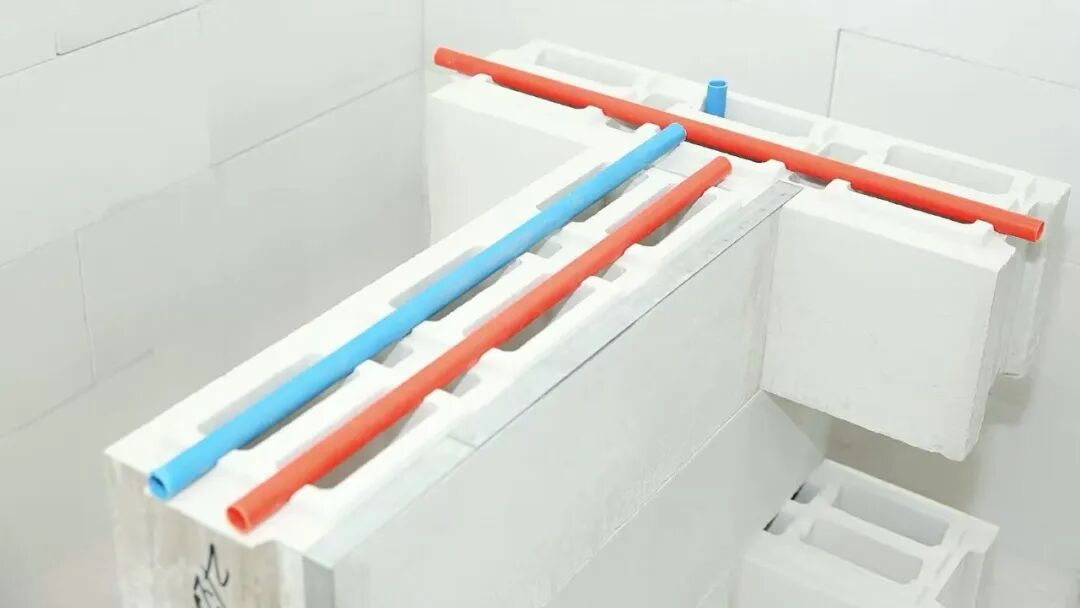
Made of high‑grade building gypsum derived from phosphogypsum, the high‑precision interlocking phosphogypsum modules are factory‑prefabricated via a semi‑dry process. Drawing on traditional mortise‑and‑tenon joinery, they adopt concave‑convex interlocking joints. Modules simply click together just like Lego bricks, and deliver robust structural stability. The whole process adopts dry‑mode construction with zero wet‑work, fully complying with the prefabricated‑building principle of “factory prefabrication plus on‑site assembly”.
Incorporated into Guizhou Province’s prefabrication‑rate calculation system, the modules directly help projects lift prefabrication performance and satisfy policy assessment requirements.
In terms of construction efficiency, the product removes procedural constraints of conventional masonry. Traditional wall construction involves masonry, plastering, curing and other time‑consuming procedures, generating substantial on‑site dust and construction waste, while on‑site work for interlocking modules consists merely of assembly, with wall flatness and verticality tolerances are kept within 3 mm. Finishing layers can be applied directly after assembly without plastering and levelling, greatly shortening overall construction time versus conventional methods.
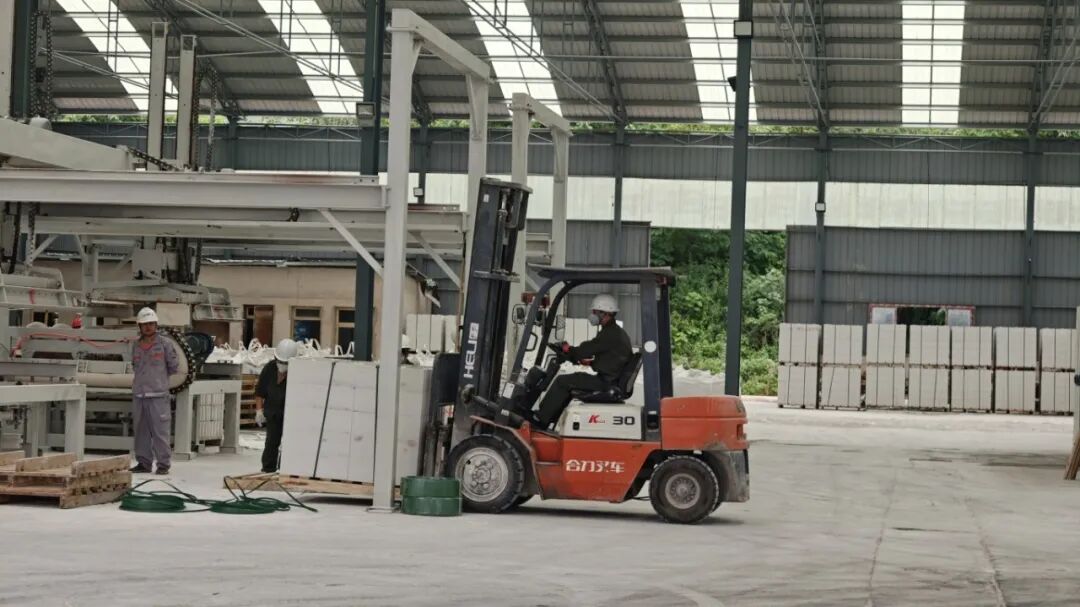
For stock‑renovation projects such as old‑community retrofits and urban‑village renewal, dry‑mode construction greatly minimizes disturbance to nearby residents, enabling fast‑track construction and commissioning that perfectly match the “fast‑paced, high‑efficiency” rhythm of urban‑renewal initiatives.
For product performance, the modules achieve Class‑A fire resistance. A 200 mm‑thick panel offers a fire‑resistance limit of more than 4 hours, weighted airborne sound insulation of 45 dB, and a heat‑transfer coefficient ≤ 1.5 W/(㎡·K), satisfying fire‑proofing, sound‑insulation and thermal‑insulation requirements in one integrated solution. Its single‑point hanging capacity reaches ≥ 1000 N, well suiting residential and office daily‑use conditions. In addition, the gypsum‑based material features a “self‑breathing” property that regulates indoor moisture according to ambient humidity, creating healthier and more comfortable living environments and aligning with quality standards for “high‑performance housing”.
Representing green and low‑carbon building materials, the modules consume far less energy in production than cement‑based products and boast markedly lower whole‑life‑cycle carbon emissions than conventional wall materials, supporting projects in pursuing green‑building certifications.
Backed by GPC’s world‑class phosphogypsum resource reserves and R&D capabilities, the product enjoys stable production capacity and reliable quality assurance. GPC’s annual phosphogypsum‑building‑material output exceeds 5 million tons, including 1.4 million ㎡ of interlocking modules. Its technical team has participated in compiling 19 national, industrial and local standards and holds 96 authorized patents.
The era of urban renewal has arrived, ushering in a golden age for prefabricated construction. GPC will keep refining product technologies and improving scenario‑oriented solutions. Taking high‑precision interlocking phosphogypsum modules as a key driver, GPC will cooperate with partners across the construction sector to explore new pathways for green construction and inject green momentum into urban renewal and high‑quality development of the construction industry.


