


Phosphogypsum "Re‑imagined" as Cat Litter: GPC Green‑Product Portfolio Expands Into New Application Scenario
Recently, a phosphogypsum‑based cat‑litter, co‑produced by GPC Green Environmental Protection Industry Company, has been officially launched for sale via online channels. Made from deeply‑processed phosphogypsum through specialized technical treatment, this cat‑litter features strong water absorption, excellent clumping performance and low dust emission.
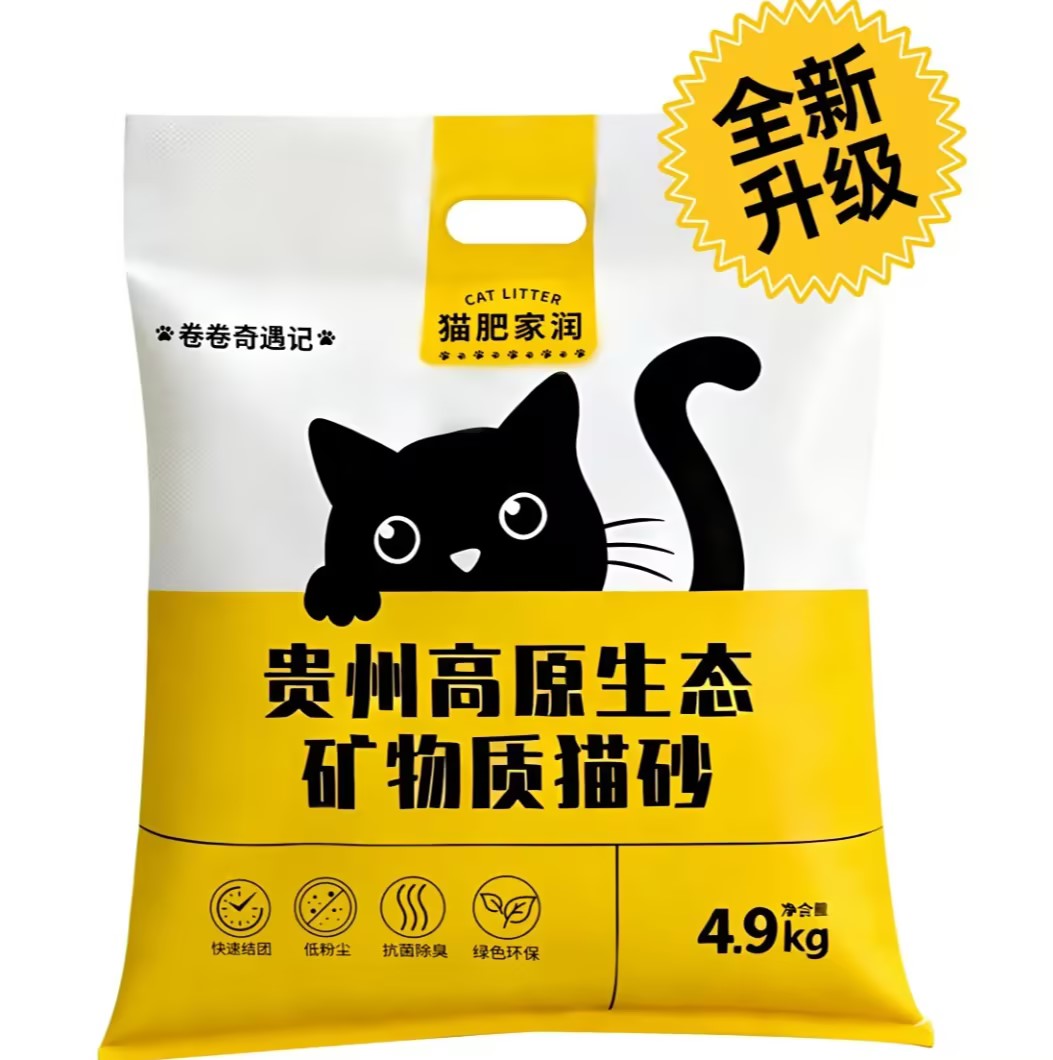
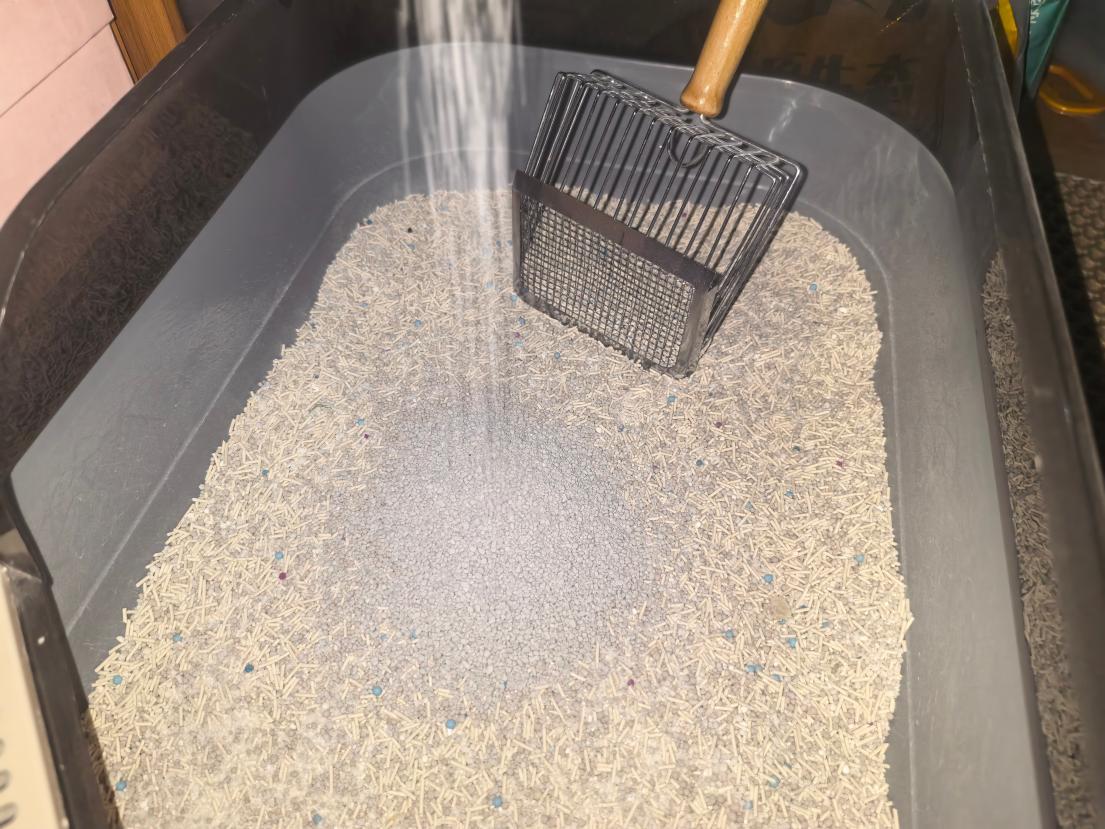
To verify its real‑world performance, I conducted a one‑week mixed‑use trial with an adult female Chinese domestic cat. Following the pet’s habitual preferences, the phosphogypsum cat‑litter was blended at a certain ratio with conventional mineral litter, bentonite litter and cassava‑based cat litter for daily use.
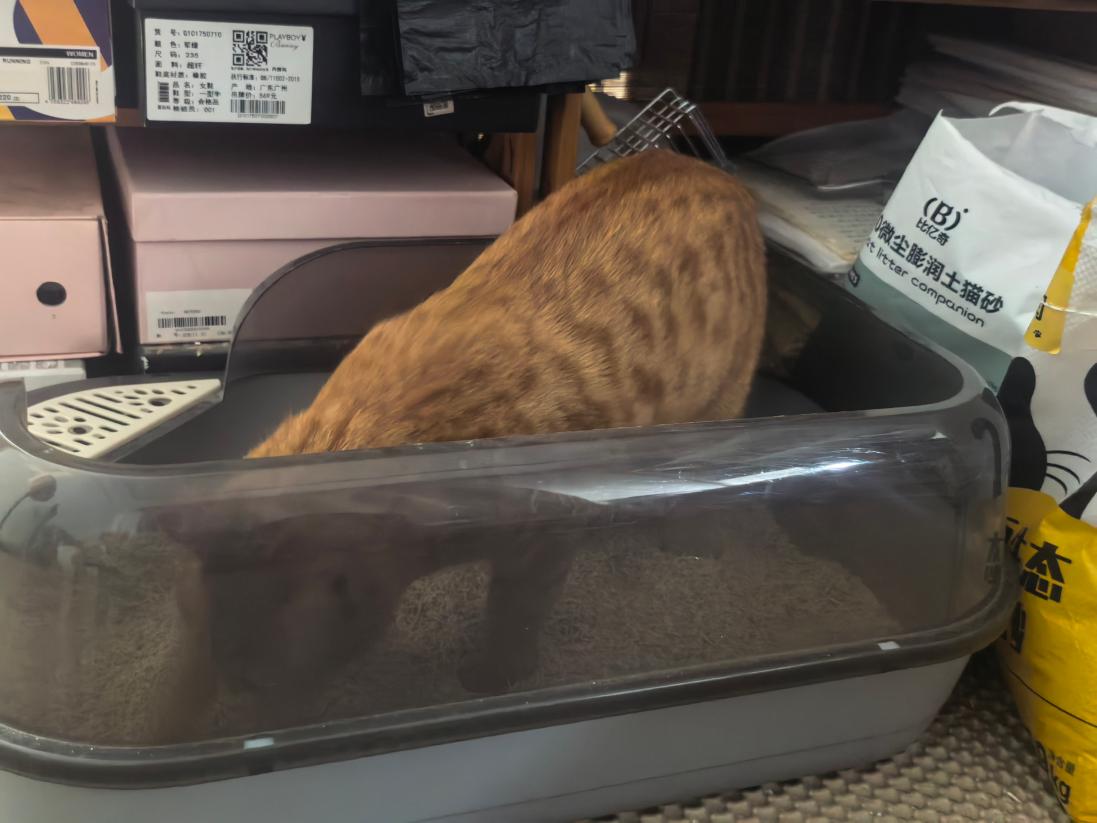
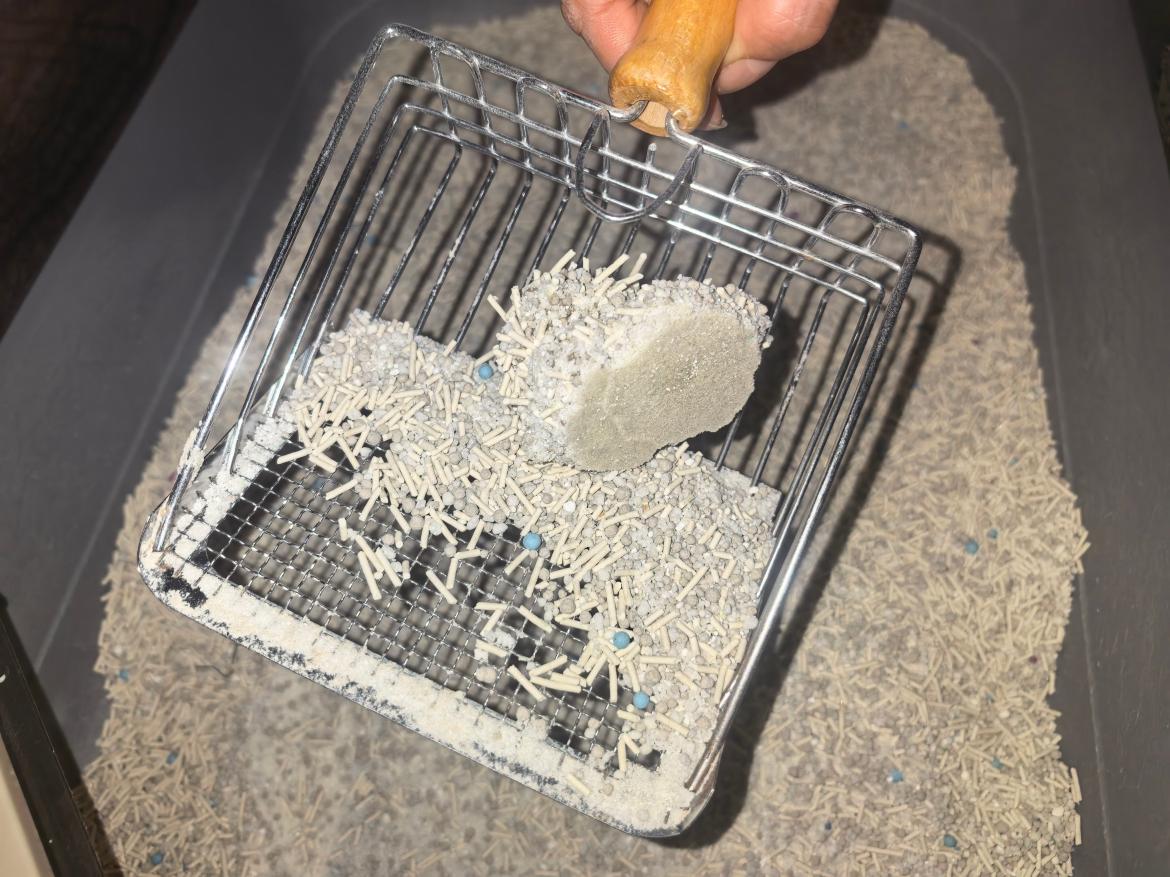
Throughout the test, odour control inside the litter box proved satisfactory. The litter formed firm, non‑scattering clumps with virtually no flying dust during cleaning. The cat accepted the blended litter normally without any signs of rejection or discomfort. Though only a small‑scale household trial, it reveals another promising prospect for phosphogypsum resource utilization. From building materials and packaging boxes to pet supplies, phosphogypsum is entering people’s daily lives in increasingly diversified forms.
Phosphogypsum is the primary by‑product generated in the wet‑process phosphoric‑acid production. Approximately 4 to 5 tons of phosphogypsum are yielded for every ton of phosphoric acid manufactured. Effective disposal and consumption of such by‑products represent a universal challenge facing the global phosphorus‑chemical industry. GPC has kept advancing R&D in this field and established three major industrialized routes: producing eco‑friendly building materials from phosphogypsum, recovering sulfur for co‑production of cementitious materials, and manufacturing municipal engineering as well as packaging materials.
Spanning building walls, packaging boxes, roadbed fillers and now pet cat‑litter, phosphogypsum is breaking conventional application boundaries and expanding into more high‑value‑added sectors. This achievement stems from technological innovation and also serves as a vivid testament to GPC’s commitment to green‑development philosophy.


