


Moments in GPC | The Eve of Breakthrough for Wengfu Phosphate Fertilizer Plant
In the 1990s, China was undergoing the transition from a planned economy to a market‑oriented economy. Amid this era, a major industrial initiative quietly took shape deep in the mountains of Qiannan, Guizhou. The Wengfu Phosphate Fertilizer Plant, while still under construction, carried high expectations from its very inception. Yet swept along by tides of change, it embarked on a thorny construction journey, landing in a desperate predicament on the eve of commissioning — “the day of start‑up will be the day of shutdown”, leaving behind a profound chapter of history.
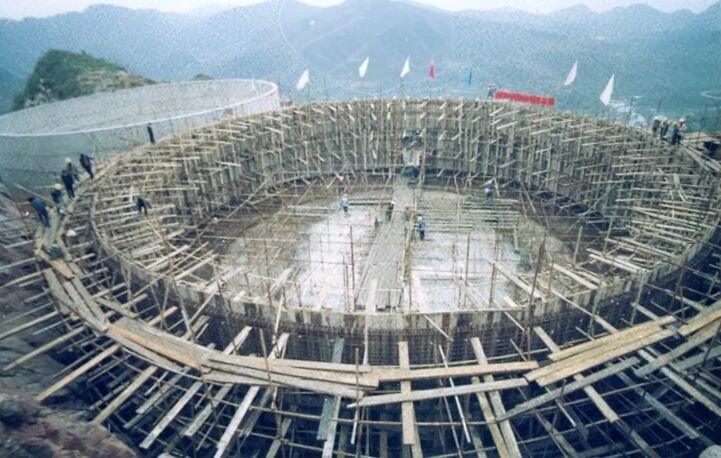
The infrastructure‑building story of Wengfu Phosphate Fertilizer Plant was deeply intertwined with national institutional transformation from the outset. At that time, investment mechanisms under the traditional planned economy gave way to market‑driven operations. As China’s first foreign‑funded project financed by the World Bank loan, Wengfu Phosphate Mine received construction capital in the form of loans for the Wengfu Mine‑Fertilizer Base. Though this model resolved early‑stage funding shortages, it planted hidden risks of heavy debt for the years ahead. As construction moved forward, the asset‑liability ratio kept rising, and funding pressure lingered constantly.
Adding to the challenges, the project was designed in the early 1990s, when domestic demand for triple superphosphate (TSP) remained robust. Based on prevailing market conditions, designers finalized a production scheme targeting triple superphosphate as the end‑product, aiming to build a leading domestic phosphate‑fertilizer production base.
Markets, however, shifted far faster than construction progress. Stretching more than a decade — far longer than projected — the project neared completion by the late 1990s against a completely transformed domestic phosphate‑fertilizer landscape. Once‑popular triple superphosphate could no longer meet market demand for high‑concentration phosphate fertilizers; its market share shrank sharply, falling well short of design assumptions. Diammonium phosphate and monoammonium phosphate instead became mainstream high‑concentration phosphate‑fertilizer products.
This abrupt market reversal plunged Wengfu Phosphate Fertilizer Plant into unprecedented difficulty. The production line built with massive investment was configured to manufacture products no longer wanted by the market, putting huge upfront capital at risk of going to waste. Doubts and a strong sense of crisis spread rapidly. The saying “the day of start‑up will be the day of shutdown” gained wide currency in the later construction phase, weighing heavily on every builder.
As a key national project, adjusting its construction objectives and product scheme entailed enormous risks; missteps could bring total project failure. Rather than yielding to despair, the project headquarters took proactive action. During late‑stage construction, it rolled out targeted preparatory work, carried out adaptive modifications to production lines, and built up technical reserves and talent pools. These efforts laid a critical foundation for the subsequent swift conversion from triple superphosphate to ammonium phosphate production. This farsighted perseverance shone as the sole ray of hope amid adversity.


